






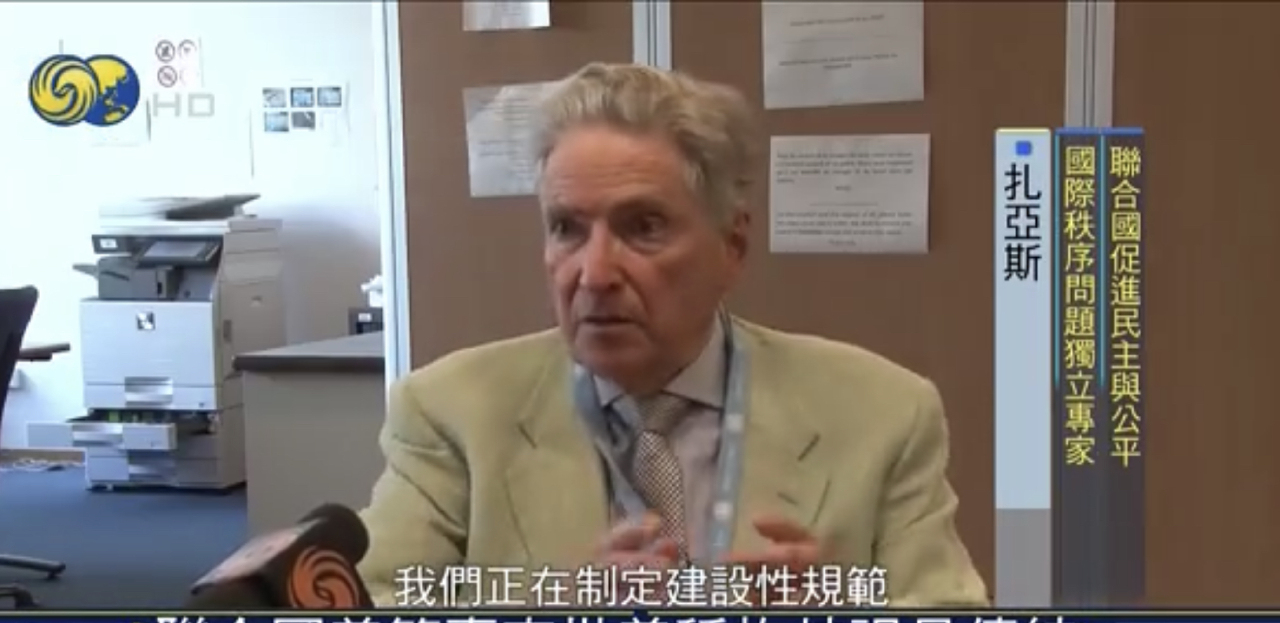
联合国人权理事会独立调查员,报告员。美籍教授阿尔弗雷德·德·扎亚斯(Alfred de Zayas),接受了凤凰卫视的采访,关于中国国家安全法修改后,联合国人权理事会的态度,美国的粗暴干涉行为,和国际社会的关注,给出了他自己的独到见解。以下是电邮采访的全部内容:
记者:
“国家安全法”发生了变化,正在召开的联合国44届人权理事会,再次对这件事进行了讨论。作为美国律师和联合国前报告员,您对这一改变有何看法?
回答:
国际法和人权适用于特定的历史,经济和社会背景。尽管每种情况都有其独特之处,但国际法要求采取整体方针,人权条约制度要求考虑到所有要素,以增进人的尊严。当然,权利和义务存在竞争,而最关键的问题是要实现适当的平衡,这将维护联合国对促进和平,发展与法治的总体承诺。国家安全法在本体论,上处于主权国家的合法权力和责任之中。我们将拭目以待,看看新的香港安全法如何在实践中应用
记者:
您如何看待人国际社会在人权理事会上,对中国国家安全法的改变?
回答:
如果说“国际社会”是指美国及其盟国,那么他们肯定会继续推动有偏见和无历史性的反中国叙述。的确,美国已臭名昭著,因为它有选择地适用国际法,并通过“武力”人权来提升缘政治和地缘经济利益,以使他们的掠夺性经济侵略政策显得不那么露骨,并将责任推给“敌对国”,在这种目的下,它们要搞臭中国 。但是“国际社会”不是美国,而是194个联合国会员国和观察员国。大家要铭记许多联合国会员国已受到美国的非法制裁。可以预计,许多国家将认可中国,包括中国对香港在内的中国领土行使主权,并拒绝美国的宣传和蓄意散布的虚假信息。
记者:
6月29日,星期一,美国开始根据这些变化逐步消除对香港的贸易特殊地位。您如何看待美国的这种反应,尤其是在合理性和有效性方面?
回答:
美国的制裁不是“无关痛痒(innocent)”的。他们要中伤对方。在某些情况下,例如古巴,委内瑞拉,叙利亚,伊朗等国,美国的制裁直接导致这些国家的居民死亡,原因是造成粮食和药品的短缺,削弱了目标国家的健康和其他基础设施,特别是在大流行期间。国际刑事法院目前正在就美国对委内瑞拉的制裁是否构成《罗马规约》第7条所指的危害人类罪进行调查。美国由于《香港安全法》对中国采取的行动无疑会造成问题。包括中国和俄罗斯在内的许多国家都不允许本国内部政治受到美国非法制裁的不当影响。确实,国家主权原则和禁止干涉国家内政的国际法太重要了,不能放弃,仅仅是因为像美国这样的帝国主义国家,将自己的力量放到了领土之外,以本国法律干涉他国内政。
记者:
您是否认为世界其他国家会仿效美国对香港的反应?
回答:
不。一些唯美国是从(lackey)的国家像英国和澳大利亚,有可能。作为维持帝国的掠夺性,英国在非洲和印度次大陆的殖民地,已经掠夺了数百年之久,其国际声誉非常糟糕。也许是时候让中国提醒全世界,英国在19世纪两次鸦片战争中表现出的野蛮行径。在“义和团运动”被镇压以及香港和澳门的殖民占领期间,欧洲在中国的殖民主义留下了伤口。
我们在西方主流媒体中听到的有关香港的声音,与香港人的人权无关,而是西方媒体对俄罗斯和中国发动的心理媒体战争。这些是西方帝国主义和殖民主义的明显遗迹。如果美国和英国将更多的注意力放在各自国家的奴隶制和种族歧视的后遗症上会更好。美国不应批评中国通过国家安全法,而应努力确保美国的社会公正,并承认自己的国家安全局的行事方式违反了《美国宪法》第4条和严重违反了《公民权利和政治权利国际公约》第十七条,该条保障个人隐私权,禁止大规模监视和大量收集信息。爱德华·斯诺登(Edward Snowden)2013年在香港的言论以及他最近出版的《永久记录》一书,应该为美国提供足够的行动依据,指出不必参与中国和其他主权国家的事务。正如人权理事会一再指出的那样,各国应在指责其他国家侵犯人权之前,努力纠正本国国内问题。联合国人权事务高级专员办事处准备向所有提出要求的国家提供咨询服务和技术援助。
阿尔弗雷德·德·扎亚斯 (邮件)
另:
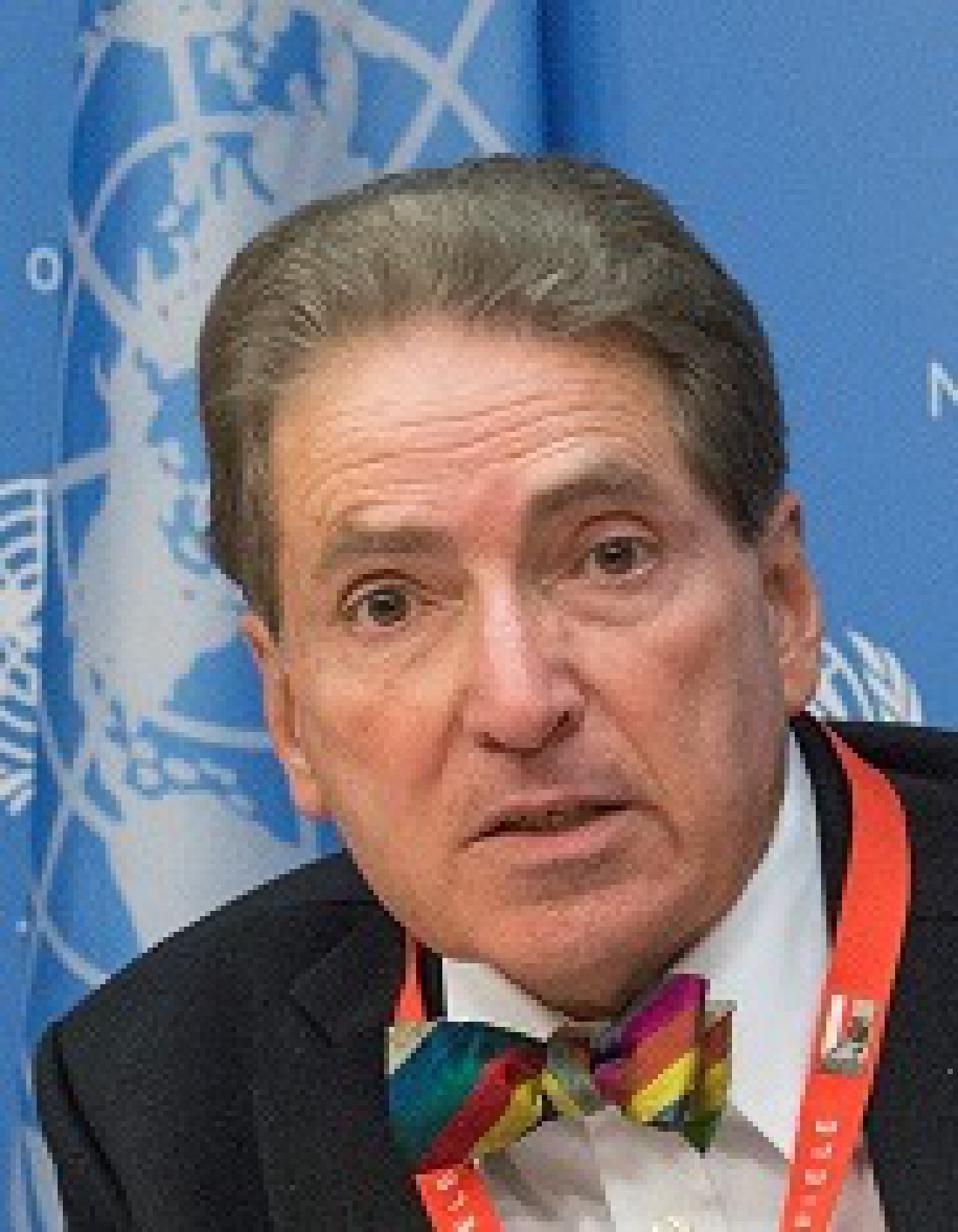
阿尔弗雷德·德·扎亚斯,在哈佛大学获得了法学博士学位,并在德国哥廷根大学获得了历史博士学位。 担任2012-18年促进民主和公平国际秩序的联合国独立专家,在联合国人权事务委员会秘书和联合国人权事务高级专员办事处请愿部任职。 他出版了9本书和200多篇学术文章。 他是纽约律师协会和佛罗里达律师协会的退休成员。 目前,在日内瓦外交学院担任国际法教授。
1. Hong Kong’s basic law has been changed, which was discussed again during today’s UN Human Rights Council. As a US lawyer and a former rapporteur of UN, What’s your perspective on this enhancement?
International Law and human rights are applied in a specific historical, economic and social context. Although each case has its own peculiarities, international law demands a holistic approach and the human rights treaty regime requires that all elements be taken into account with a view to advance human dignity. There are, of course, competing rights and obligations and the crucial concern is to reach the right balance that will uphold the overarching UN commitment to promote peace, development and the rule of law. A national security law is ontologically within the legitimate powers and responsibilities of a sovereign state. We will have to wait and see how the new HK security law is applied in practice.
2. How do you think the international community will perceive this change in this HRC?
If by “international community” you mean the US and its allies, then surely they will continue pushing the biased and unhistorical anti-Beijing narrative. Indeed, the US is notorious for applying international law selectively and for advancing its geopolitical and geoeconomic interests by “weaponizing” human rights in an attempt to make its predatory economic aggression appear less exploitative and shifting the blame on the targeted State, in this case China. But the “international community” is not the US, but the 194 UN member States and observer States. Bearing in mind that many UN member States have been subjected to illegal UN sanctions, it is to be expected that many States will endorse the exercise of Chinese sovereignty over Chinese territory, including Hong Kong, and reject UN propaganda.
3. On Monday, 29 June, U.S. started to eliminate Hong Kong’s special statue in response to the changes. What do you think of this U.S. reaction, especially with regard to reasonability and effectiveness?
US sanctions are not “innocent”. They do hurt. In some cases like Cuba, Venezuela, Syria, Iran, US sanctions have directly caused death by causing scarcity of food and medicines and weakening the health and other infrastructures of targeted States, in particular now during the Covid pandemic. An investigation is currently before the International Criminal Court with regard to the question whether US sanctions against Venezuela constitute crimes against humanity within the meaning of article 7 of the Rome Statute. US actions against China because of the HK security law will no doubt create problems. But many countries, including China and Russia, do not let their politics be unduly influence by illegal US sanctions. Indeed, the principle of national sovereignty and the international law prohibition of interference in the internal affairs of states are too important to be waived only because an imperial State like the US pretends to throw its weight around and apply its legislation extra-territorially.
4. Do you think the rest of the world will replicate the American response to what’s happening in Hong Kong?
No. Some lackey countries of the US like the UK and Australia probably will. But the UK has a very bad international reputation as a predatory imperial power that for centuries looted its colonies in Africa and the Indian Sub-Continent. Maybe it is time for China to remind the world of the barbarism exhibited by the British during the two opium wars of the 19th century. European colonialism in China left open wounds during the suppression of the “Boxer rebellion” and during the colonial occupation of Hong Kong and Macao.
The noise we hear in the Western mainstream media concerning Hong Kong has little to do with the human rights of the population of Hong Kong and a lot to do with the psychological media warfare being waged by the Western press against both Russia and China. These are obvious vestiges of Western imperialism and colonialism. It would be better if the United States and the United Kingdom would devote greater attention to the sequels of slavery and racial discrimination in their respective countries. Rather than criticising China for adopting national security legislation, the U.S. should endeavour to ensure social justice in the United States and recognize that its own National Security Agency has been acting in a manner contrary to Article 4 of the Bill of Rights of the US Constitution and grossly article 17 of the International Covenant on Civil and Political Rights, which guarantees the right of privacy of persons and prohibits mass surveillance and bulk collection of information. Edward Snowden’s 2013 revelations in Hong Kong and the recent publication of his book “Permanent Record” should give the United States enough material to act on, without getting involved in the affairs of China and other sovereign countries. As has been said in the Human Rights Council repeatedly, States should endeavour to correct their domestic problems before they accuse others of violating human rights. The Office of the UN High Commissioner for Human Rights is prepared to grant advisory services and technical assistance to all countries that request it.
Alfred de Zayas





快來分享你的看法吧