






在全球化艺术市场与金融资本深度交织的当下,陈思宇(Chen Siyu)作为资深艺术金融策投人、策展人,以金融学专业背景与国际艺术策展实践为双轮,站在全球艺术资产配置与当代艺术价值重构的交叉点,构建了独具辨识度的“金融+艺术”复合理论体系与实践路径,成为连接东方艺术生态与国际艺术金融市场的重要纽带。
陈思宇的专业根基,根植于对西方金融理论与东方艺术美学的双重解构与融合。在他的理论框架中,当代艺术早已突破地域与媒介的边界,成为具备全球流动性的美学资产——这一认知既契合国际艺术金融领域对“艺术作为另类资产”的主流研判,也针对东方艺术市场的特殊性,提出了“美学资产价值三维模型”:以学术价值为核心锚点,以市场流通价值为变现路径,以文化符号价值为长期增值内核。金融学赋予的量化分析能力,让他得以精准测算艺术资产的风险收益比;而国际策展经验积累的跨文化审美素养,则让他能穿透地域文化壁垒,识别出具备全球传播力的当代艺术作品与创作理念,这也让他的策投实践始终与国际艺术金融的前沿趋势同频。
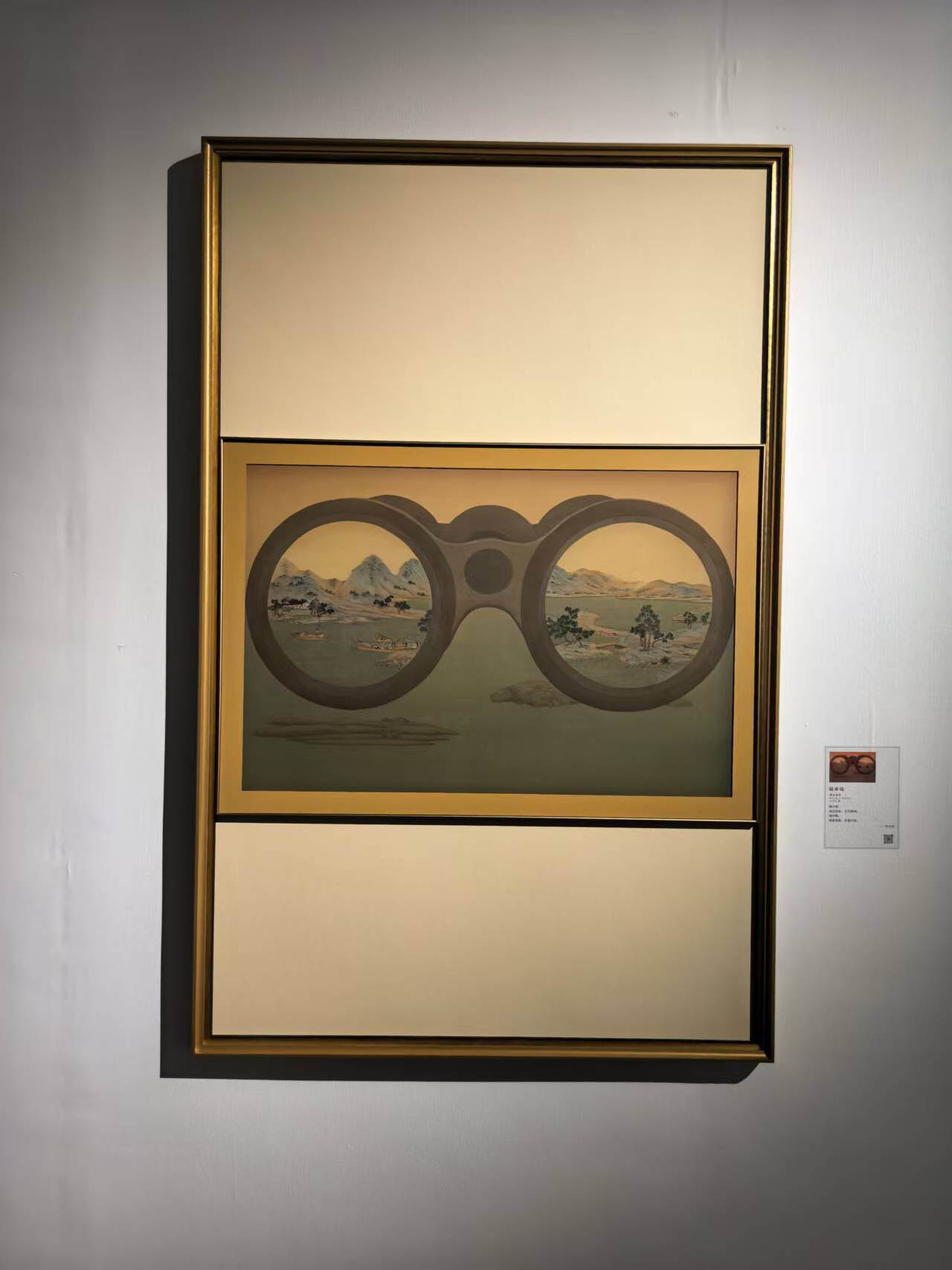
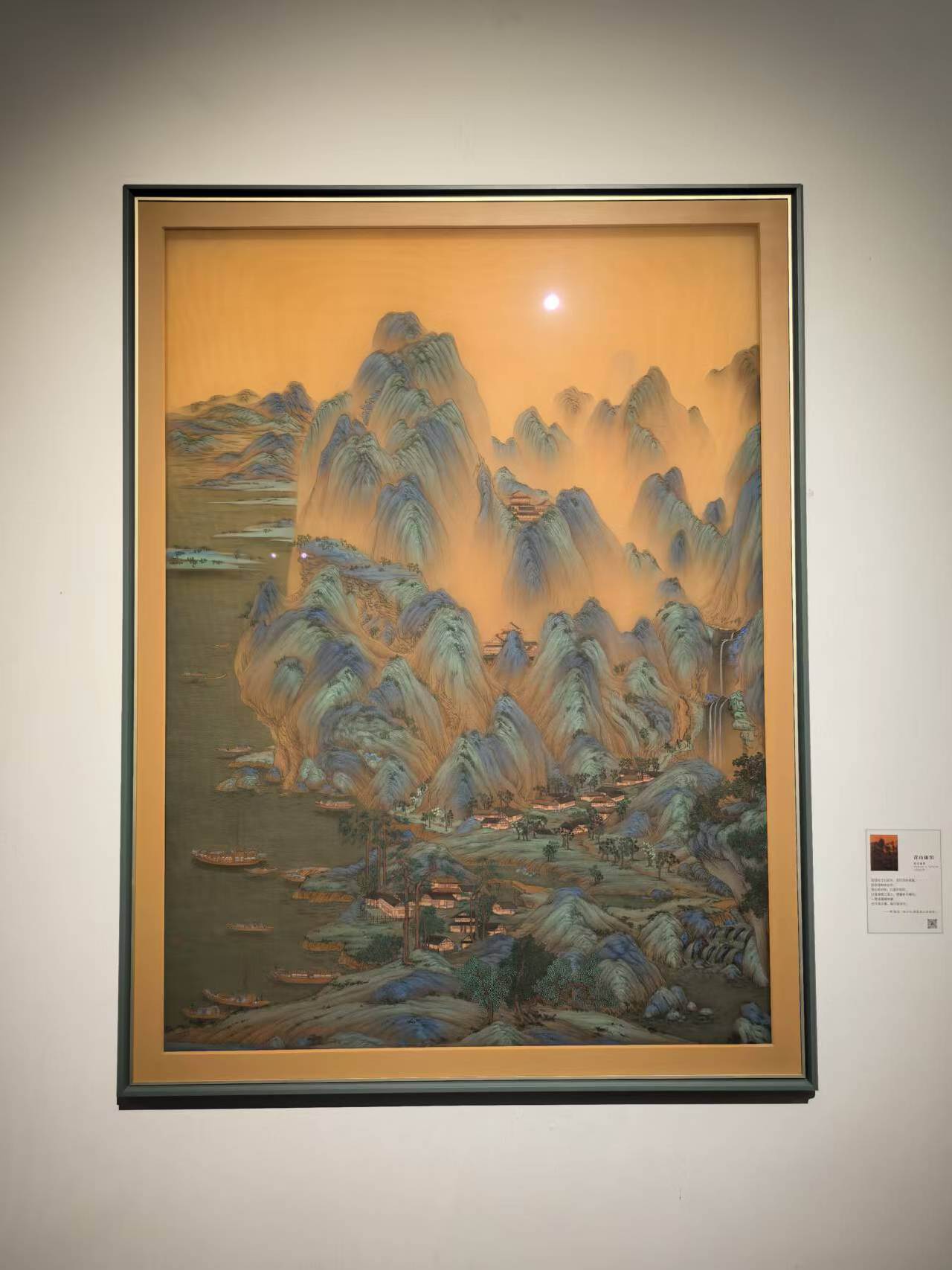
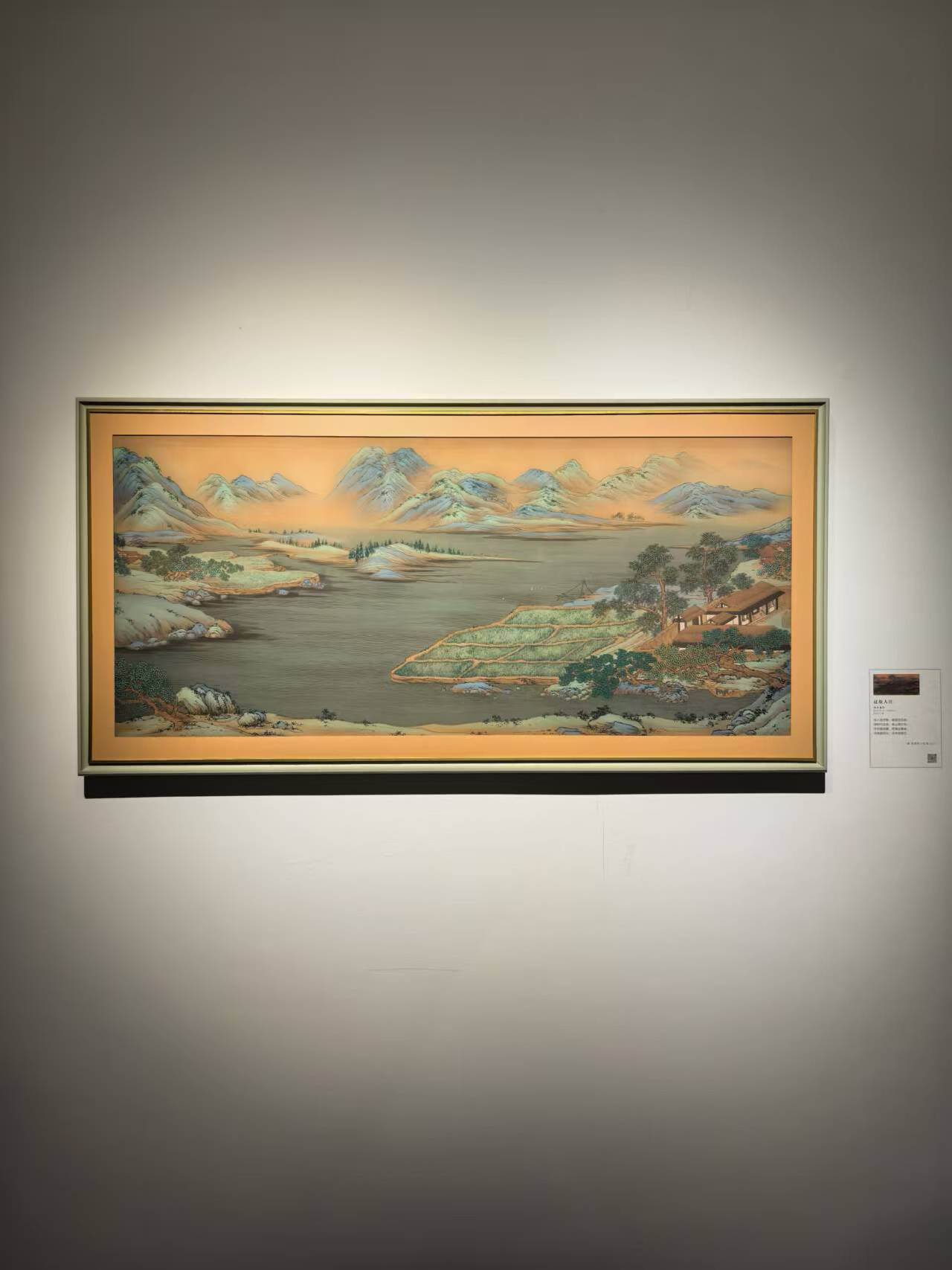
在当代艺术的发展认知上,陈思宇的理论紧扣“全球化在地性”(Glocalization) 与“艺术生态赋能”两大当代艺术核心命题。他指出,当代艺术的国际化并非对西方艺术范式的盲从,而是以本土文化为基底的创造性转化——如他在研究青年艺术家隋宜航的工笔创作时,便将其“唐宋古法+当代审美+西画技法”的探索,定义为东方艺术“在地性”在全球语境下的创新表达,认为这类创作既保留了东方文脉的精神内核,又通过视觉语言的当代化改造,获得了国际艺术市场的审美共识;同时,他强调当代艺术的当代性,本质是“社会介入性”与“市场共生性”的统一,纯粹的形式实验若脱离金融资本的赋能与市场体系的支撑,便难以形成可持续的艺术生态,这一观点与国际当代艺术理论中“艺术社会化”“艺术制度批判”的前沿思潮形成呼应,也为东方当代艺术的市场化发展提供了理论依据。
其核心理论主张“学术为骨,市场为脉,全球为场”,是对传统艺术金融理论的当代性升级。在他看来,学术性是当代艺术的“全球通行语言”,无论是东方的水墨实验还是西方的新媒体艺术,其作品的学术价值决定了能否进入全球艺术史叙事与收藏体系,因此策投与策展的首要逻辑,是基于国际艺术史脉络与当代艺术批评体系,研判作品的学术站位;市场则是当代艺术的“全球流通血脉”,依托金融工具进行艺术资产证券化、跨境配置与商业运作,能让具备学术价值的东方当代艺术作品突破地域限制,进入国际拍卖行、美术馆与私人收藏体系,实现价值的全球化兑现;而“全球为场”的内核,是打破东西方艺术金融市场的信息壁垒,推动东方艺术资产估值体系与国际接轨,同时让东方审美理念反哺全球艺术金融的价值维度,重构国际艺术市场的价值评判标准。
在实践层面,陈思宇始终以“国际视野下的本土化实践”践行其理论。他参与的国际艺术展策展统筹、跨境美学资产配置项目,均遵循“先以国际学术标准锚定价值,再以本土化金融工具实现落地”的逻辑:他既以国际策展语言梳理东方艺术家的创作脉络,又运用适合亚洲市场的金融模型设计艺术资产的商业运作方案。在他的理论中,艺术金融的终极目标并非资本对艺术的“收编”,而是通过金融的赋能性工具化,让全球艺术资本成为当代艺术创新的助推器,让当代艺术为金融资本注入文化叙事与精神内核,最终实现全球艺术生态与金融体系的共生共荣——这一理念,也为后疫情时代国际艺术金融的发展提供了来自东方的全新思考维度。
A Cross-Border Reconstructor of Art Finance: Chen Siyu’s Global Vision and Value Logic of Contemporary Art
In an era where the globalized art market and financial capital are deeply intertwined, Chen Siyu, a seasoned art finance investment strategist and curator, leverages his dual expertise in financial theory and international art curation. Standing at the intersection of global art asset allocation and the value reconstruction of contemporary art, he has built a distinctive "finance + art" theoretical system and practical approach, emerging as a vital bridge connecting the Oriental art ecosystem and the international art finance market.
Chen Siyu’s professional foundation lies in the dual deconstruction and integration of Western financial theories and Oriental artistic aesthetics. Within his theoretical framework, contemporary art has long transcended geographical and media boundaries to become aesthetic assets with global liquidity. This perspective not only aligns with the mainstream judgment in the international art finance field that "art is an alternative asset class" but also proposes a three-dimensional model for evaluating aesthetic asset value tailored to the unique characteristics of the Oriental art market: academic value serves as the core anchor, market liquidity value as the monetization path, and cultural symbolic value as the core driver of long-term appreciation. Endowed with quantitative analytical capabilities from his financial background, he can accurately measure the risk-return ratio of art assets; meanwhile, his cross-cultural aesthetic literacy honed through international curatorial experience enables him to transcend regional cultural barriers and identify contemporary artworks and creative concepts with global communication potential, ensuring that his investment and curatorial practices keep pace with the cutting-edge trends in international art finance.
In his understanding of the development of contemporary art, Chen Siyu’s theories closely focus on two core propositions of contemporary art: "Glocalization" and "art ecosystem empowerment". He points out that the internationalization of contemporary art is not blind adherence to Western artistic paradigms, but rather creative transformation rooted in local culture. For instance, when studying the fine brushwork creations of young artist Sui Yihang, he defines her exploration of "integrating Tang and Song classical techniques with contemporary aesthetics and Western painting methods" as an innovative expression of the "locality" of Oriental art in a global context. He argues that such creations not only preserve the spiritual core of Oriental cultural heritage but also gain aesthetic recognition in the international art market through the modernization of visual language. Furthermore, he emphasizes that the contemporaneity of contemporary art essentially lies in the unity of "social intervention" and "market symbiosis". Pure formal experiments, if detached from the empowerment of financial capital and the support of market systems, will struggle to form a sustainable art ecosystem. This viewpoint resonates with the cutting-edge trends in international contemporary art theory, such as "art socialization" and "institutional critique of art", and provides a theoretical basis for the market-oriented development of Oriental contemporary art.
His core theoretical proposition—"Academic Excellence as the Backbone, Market Dynamics as the Lifeblood, and Global Vision as the Stage"—represents a contemporary upgrade of traditional art finance theories. In his view, academic value is the "universal language" of contemporary art. Whether it is Oriental ink painting experiments or Western new media art, the academic value of a work determines its eligibility to enter the narrative of global art history and the collection system. Therefore, the primary logic guiding his investment and curatorial work is to assess the academic standing of artworks based on the context of international art history and the system of contemporary art criticism. Market dynamics, on the other hand, serve as the "circulatory system" of contemporary art across the globe. By leveraging financial tools for art asset securitization, cross-border allocation, and commercial operation, academically valuable Oriental contemporary artworks can break through geographical constraints, enter international auction houses, art museums, and private collection systems, and realize the global monetization of their value. The essence of "global vision as the stage" is to break down information barriers between Eastern and Western art finance markets, promote the integration of the Oriental art asset valuation system with international standards, and at the same time, allow Oriental aesthetic concepts to feed back into the value dimension of global art finance, thereby reconstructing the value evaluation criteria of the international art market.
In practice, Chen Siyu consistently adheres to the principle of "localized practice under a global perspective" to implement his theories. All the international art exhibition curatorial projects and cross-border aesthetic asset allocation initiatives he participates in follow the logic of "first anchoring value based on international academic standards, then implementing localized solutions with tailored financial tools". He sorts out the creative context of Oriental artists using an international curatorial language, while designing commercial operation plans for art assets with financial models suitable for the Asian market. In his theory, the ultimate goal of art finance is not the "co-optation" of art by capital, but rather the enabling instrumentalization of finance. This approach aims to turn global art capital into a booster for contemporary art innovation, infuse financial capital with cultural narratives and spiritual connotations through art, and ultimately achieve the symbiosis and mutual prosperity of the global art ecosystem and financial system. This philosophy provides a fresh perspective from the East for the development of international art finance in the post-pandemic era.

《青未了》1200×1400cm 绢本重彩,艺术家隋宜航
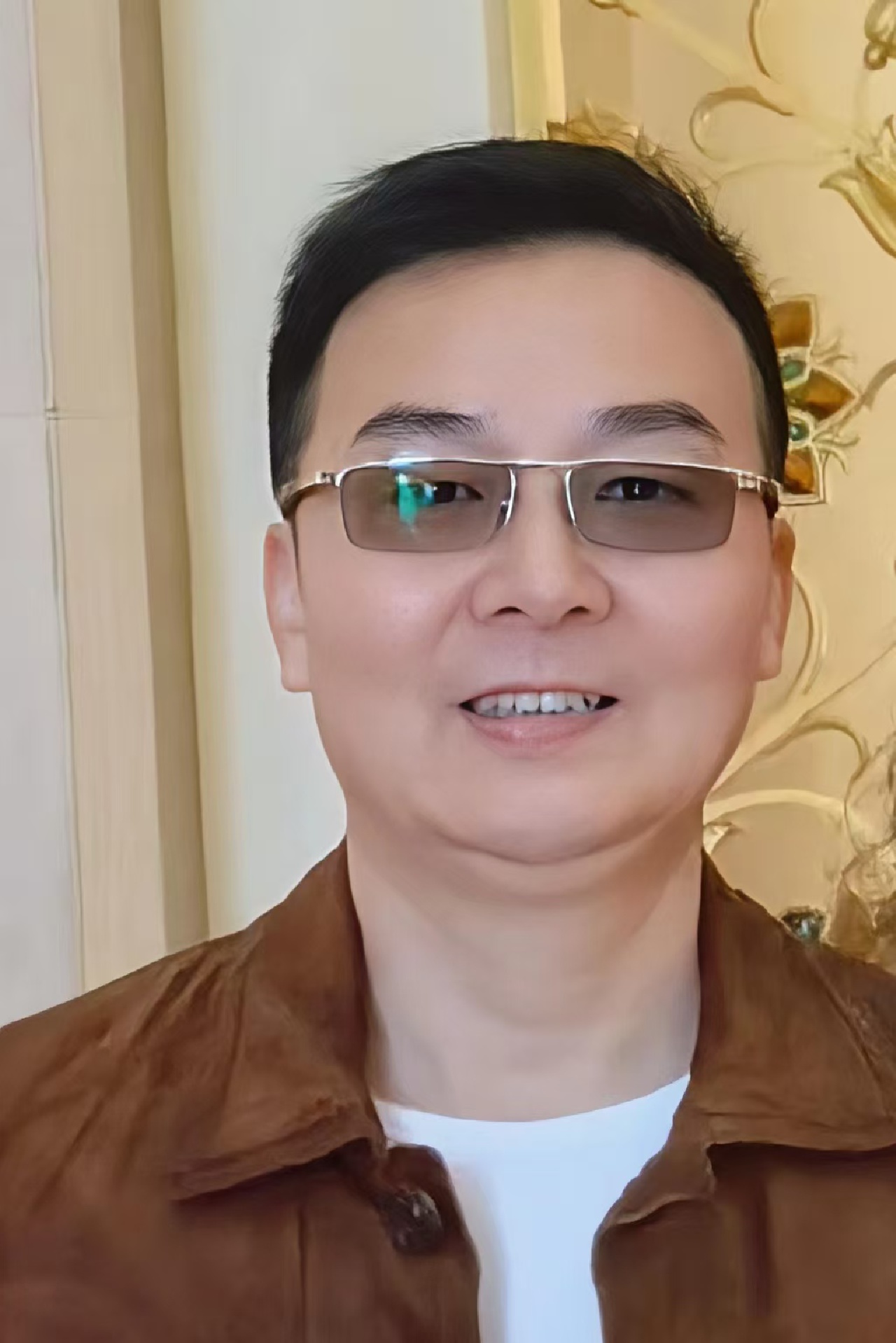
陈思宇
艺术金融策投人、策展人,兼具金融学专业背景与艺术策展实践经验,长期深耕艺术投资与金融领域的交叉赛道。他以“金融+艺术”的复合视角为核心,聚焦美学资产的价值发掘、商业运作及策展统筹,致力于推动艺术价值与商业价值的深度融合转化,在艺术金融领域形成独特竞争力。
Chen Siyu is an art finance investment strategist and curator with a professional background in finance and practical experience in art curation. He has long been deeply engaged in the interdisciplinary field of art investment and finance.
Centering on the interdisciplinary perspective of "finance + art", he focuses on the value discovery, commercial operation and curatorial coordination of aesthetic assets. He is committed to promoting the in-depth integration and transformation of artistic value and commercial value, and has formed a unique competitive edge in the art finance field.






快來分享你的看法吧